

Earth Day 2026: Our Power, Our Planet
Opinion & views | Reading time: 5 minutes | Topic: Earth Day, Climate Action, Greenwashing
This year’s Earth Day theme made me grin like the actual Cheshire Cat.
Our Power, Our Planet.
Not their power. Not the power of the administrations busy dismantling environmental protections with unchecked cheerful determination.
Ours. The theme is a rallying cry, but it's also something better than that: it's a reminder that the story was never really theirs to tell. This year's Earth Day is tapping us on the shoulder and whispering: you're already doing it. Keep going.
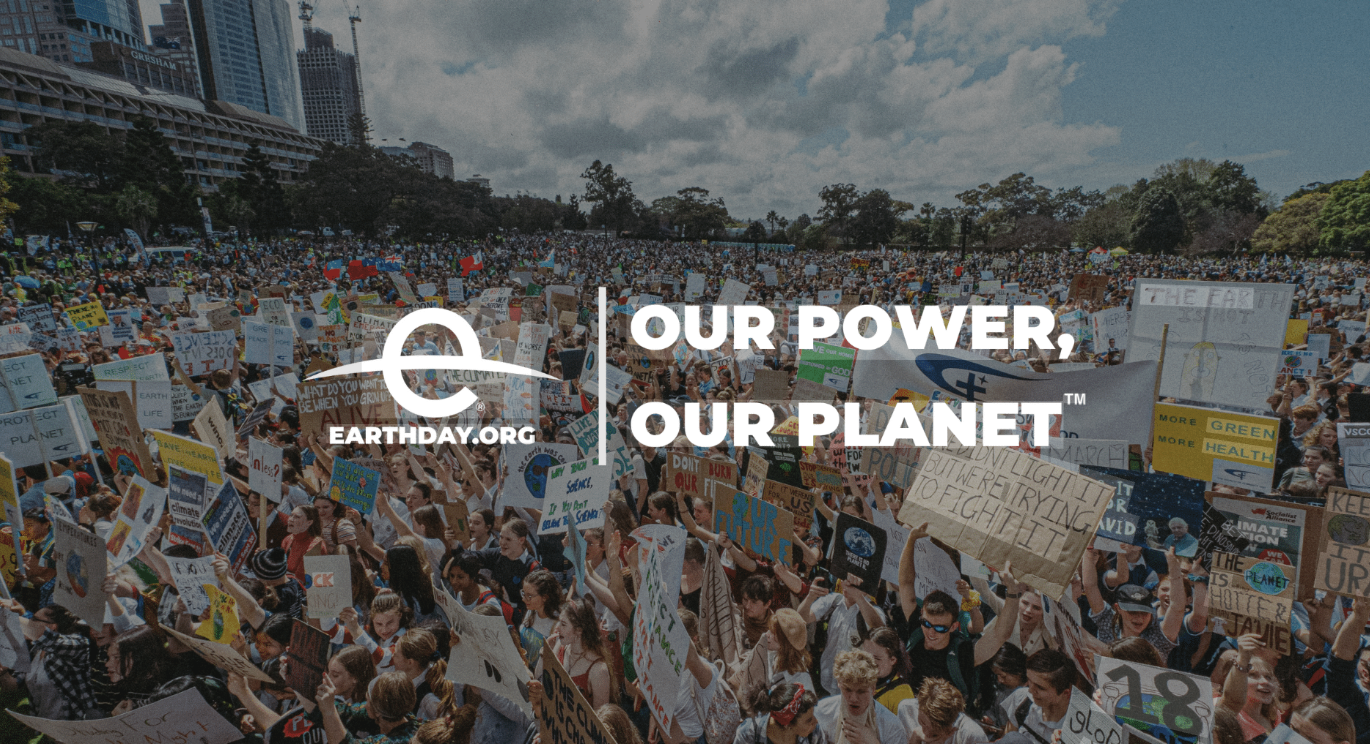
The 25% Revolution
Earth Day's theme this year is built around something called the 25% Revolution.
In 2018, Damon Centola and his team ran a series of experiments on how new behaviours spread through groups. Their question was: how big does a committed minority need to be before a social norm flips? The number they landed on, written up in Scientific American, was 25%.
You don't need a majority (as previously thought). You don't need governments. You just need a committed 25% of any group, and the norm tips.
Think about the one person in your office who ‘back then’ brought a reusable water bottle to every meeting. Now, single-use plastic at a meeting looks a bit embarrassing. That one outlier didn't win an argument. They just kept showing up with the bottle, and at some point the rest of us joined them.
Earth Day is pointing to that and saying, look, those loud voices on podiums don't set culture. Consistent, cumulative choices do.
We might already be at 25%. Or very close.
Environmentalists and social activists already know this in their bones. Margaret Mead knew it too; her famous line has been our mantra for decades:
"Never doubt that a small group of thoughtful, committed citizens can change the world; indeed, it's the only thing that ever has."
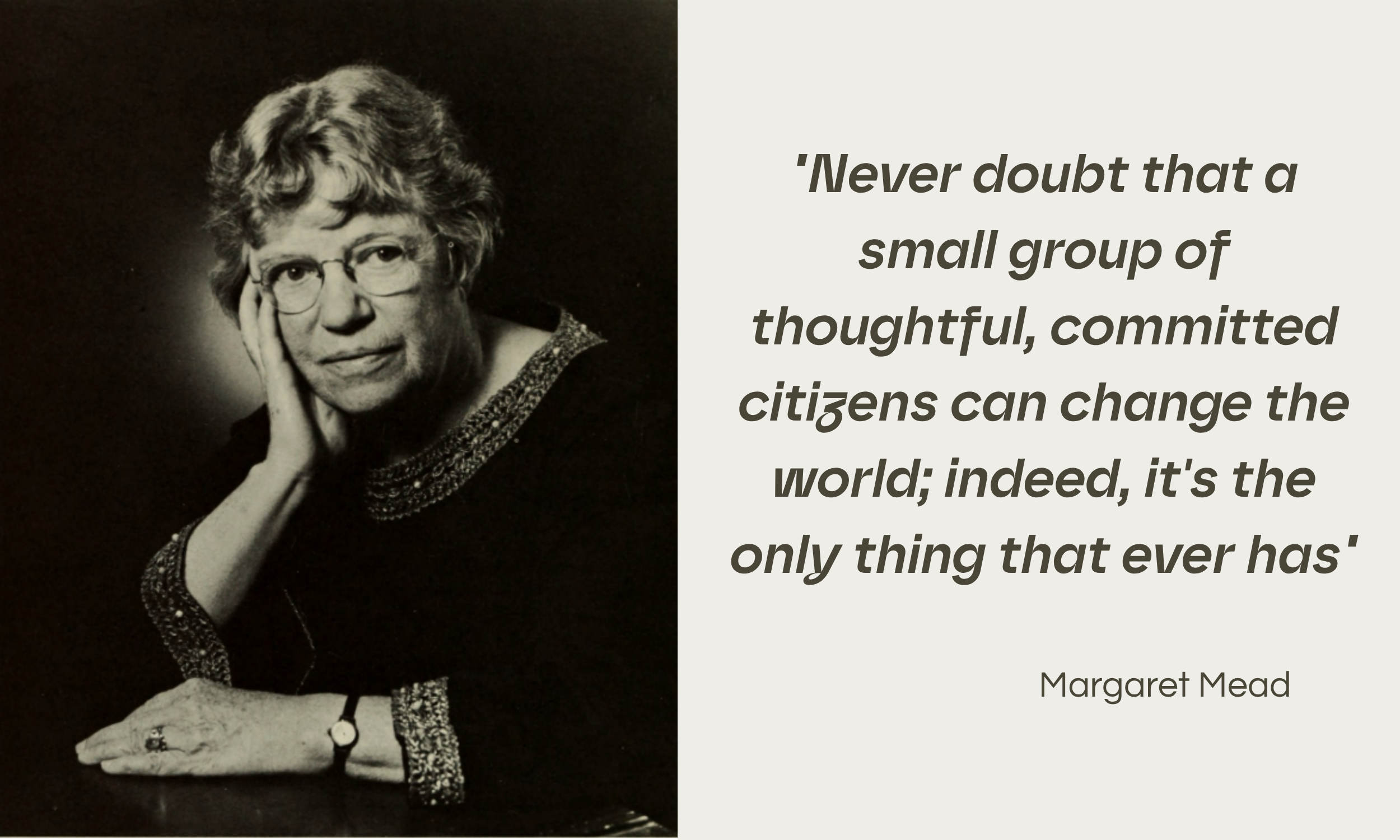
Margaret Mead (1901–1978)
And then I went to a film
I was reading about the 25% Revolution the same day I went along to my local community screening of The People’s Emergency Briefing.
The film, presented by Chris Packham and released on 7 April, exists because last November ten of the UK's leading climate and nature experts delivered a full emergency briefing in Westminster to an invited audience of 1,200 politicians and leaders from across business, faith, media, culture and sport. They set out, plainly, what climate and nature breakdown will mean for our health, our food supply, our national security and our economy. The film weaves those briefings together with reactions from members of the public. It's around 45 minutes long. It's honest about the scale of the threat, and not always optimistic about the response.
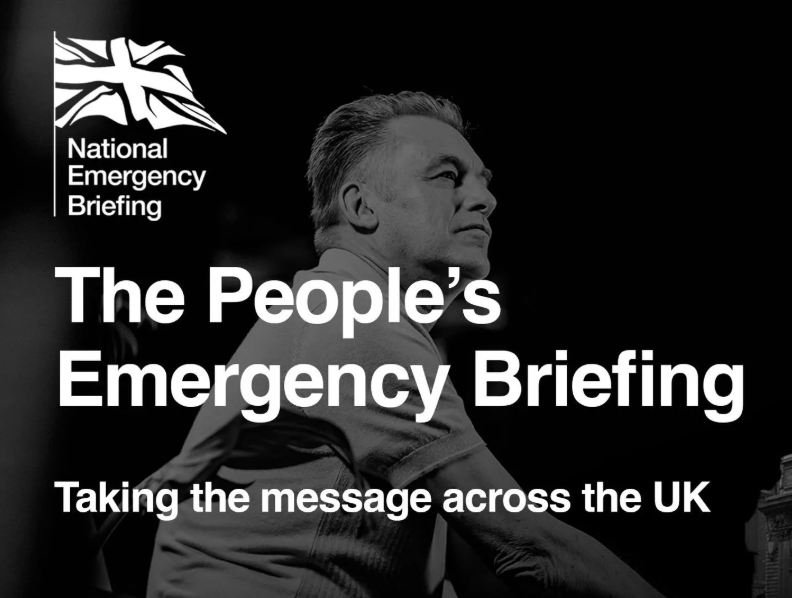
The film's call to action is to get it screened in as many community spaces as possible. Village halls, cinemas, faith spaces, workplaces, libraries, living rooms.
There is also a campaign to have it broadcast on prime-time television.
So here is the question that kept rolling around my noggin:
If 25% of the UK population watches this film, does that tip something?
Because the film does something very clever. It makes it explicit that everything we come to understand after watching it is already known, in full, by the people we elect. Our MPs, our ministers, our decision-makers, they were all sitting in that room while the scientists spelt out the full picture.
So when enough of us have watched it, we will all know exactly what they were told,
and they will know
that we know
that they know.
And there is no more hiding.
Adding my voice
This Earth Day, I have signed my business up as an official partner of The Earth Day Network. I am joining a global community of businesses using our voices to keep environmental action moving, however the political wind blows.
My little logo now sits amongst theirs, and it’s making me feel ambitious. Like all my actions, even the tiny ones, carry hope and make a difference.
A committed 25% is made up of individual people. People who keep showing up with their reusable bottle, booking the screening, signing the partnership, telling the friend. The norm tips one undramatic decision at a time.
The Film’s Call, Answered
So, this Earth Day, find a screening of The People’s Emergency Briefing. Go. Take a friend. Take your neighbour. If you have been doing this work for twenty years, if you know all the climate science already, go anyway. This one is about presence.
Every person who watches is another person who has seen, with their own eyes, what our politicians have already been shown. The calculation shifts. When enough of us have watched, plausible deniability dies. The questions at constituency surgeries change. The briefings from MPs' own staff change. The price of inaction finally shows up on their desk.
Thank you for being one of the stubborn 25%. Find a screening. Sit in a room with other people who also refuse to pretend.
Tell your friends. Tell your neighbours. Tell your colleagues. Then tell your MP you've watched it.
Happy Earth Day.
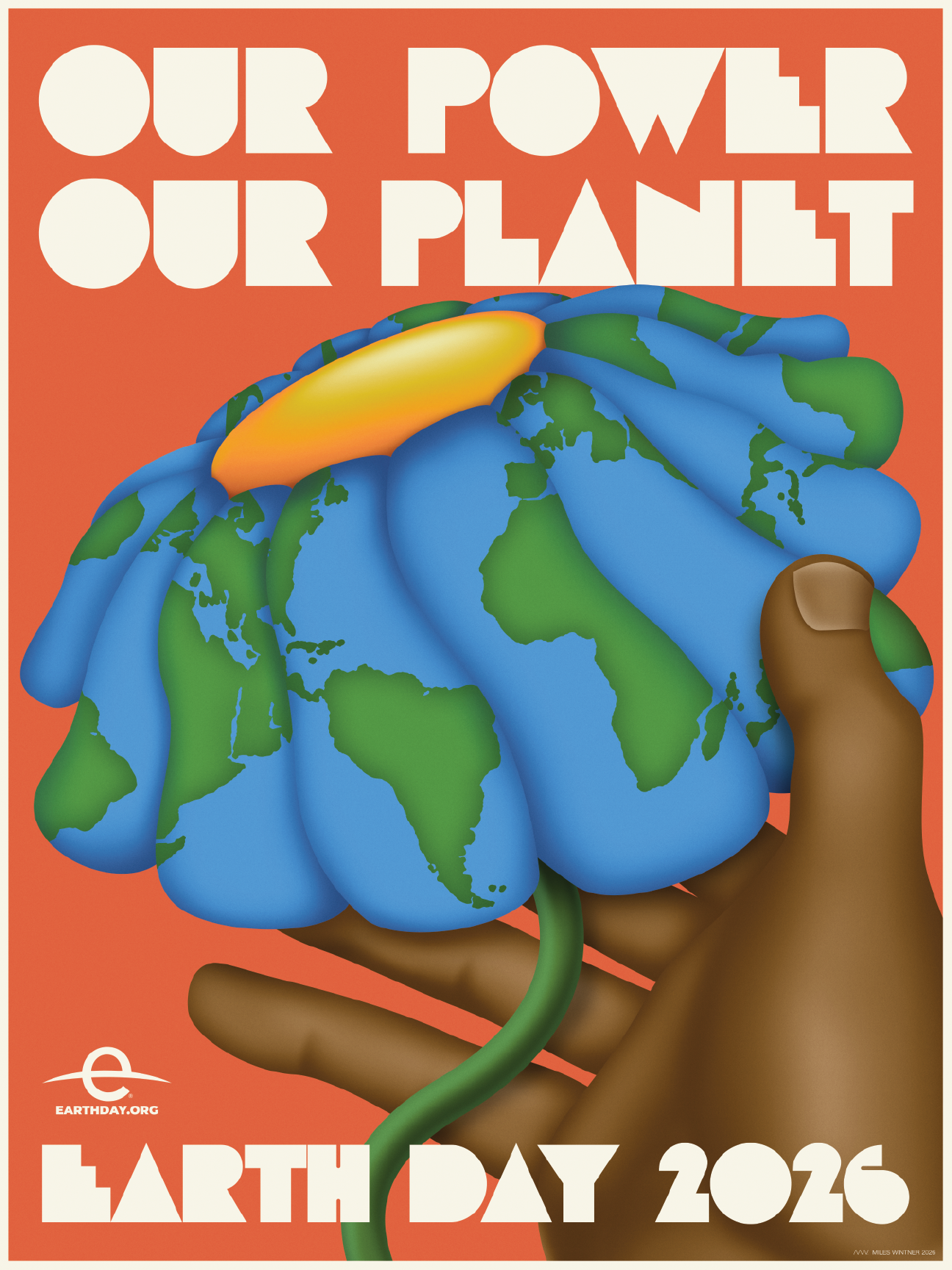
The headline news might be telling a story in which our collective power belongs to someone else, but Earth Day says it doesn't. It was always ours.
Sources
Earth Day 2026
Earth Day 2026: Our Power, Our Planet | earthday.org
Decoding Earth Day 2026: Our Power, Our Planet | earthday.org
EarthDay.org Partner Organisations | earthday.org
The 25% Revolution
The 25% Revolution: How Big Does a Minority Have to Be to Reshape Society? | Scientific American
Centola et al., Experimental evidence for tipping points in social convention | Science (2018)
The 25% Revolution: When Enough is Enough | earthday.org
The National Emergency Briefing