

Earth Hour & Climate Justice
Opinion & Views | Reading time: 5 minutes | Topic: Earth Day, Earth Hour, Climate Justice
Saturday 28 March was a full day.
I marched through London alongside half a million people (that's the number the Together Alliance are reporting) from Park Lane to Whitehall in a peaceful, powerful plea for solidarity against the rise of the far right. The noise, the signs, the sheer human mass of it reminded me what collective will actually looks like when it shows up in person.
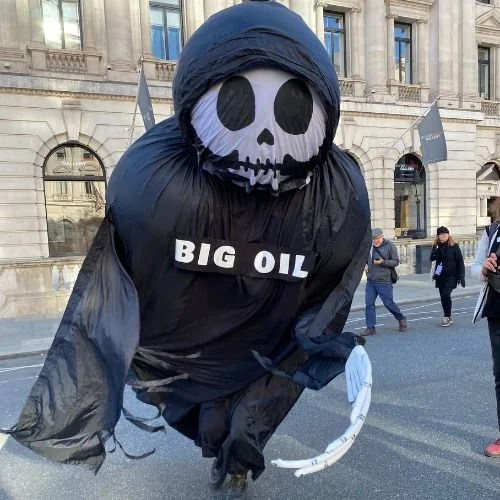
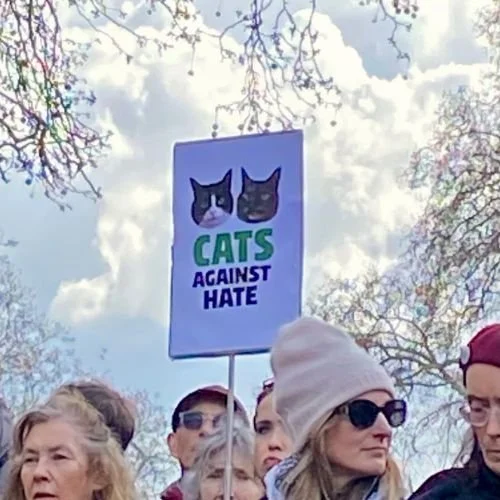
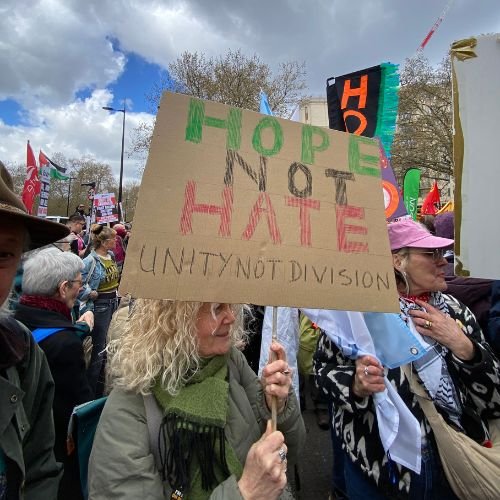
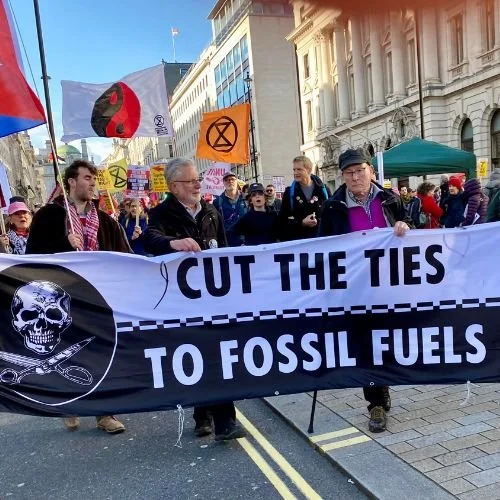
And then I came home, my feet done, my heart full. A dear friend had cooked for this weary protester, and at 8:30pm we ate by candlelight, phones off, lights out. Because Saturday 28th March 2026 didn’t only see the biggest ever multi-cultural protest in history, it also hosted Earth Hour.
Earth Hour at 20
Earth Hour 2026 marked the 20th anniversary of what has grown into one of the world's largest grassroots environmental movements. It all started on 31 March 2007, when WWF-Australia planned an innovative new way for people to register their concern about climate change, a symbolic switch-off of the lights over Sydney's Harbour Bridge. That night, 2.2 million people and over 2,000 businesses turned off their lights, and Earth Hour made headlines around the world.
Just a year later, the movement had spread to 35 countries and major cities, including Bangkok, Chicago, Copenhagen and Toronto. Two decades on, it spans 190 countries. WWF's President and CEO put it well this year:
“Spending just one hour doing something positive for the planet can be the antidote to anxiety and apathy, and it might set off a ripple that turns into a wave of change.”
Megan Leslie, President and CEO of WWF-Canada
I love Earth Hour precisely because it is so easy and so quietly powerful. You don't need money, expertise, or influence. You need to switch something off. In a culture that valorises noise, consumption and constant connection, the deliberate act of stopping, going dark, going still, going present, feels almost radical. Sitting at a candlelit table with a friend, no phones, just conversation, I was reminded that the things we're fighting to protect are not abstractions. This isn’t about the planet, it’s about humans living on the planet.

Turning off the lights and lighting candles for Earth Hour
What the march made me think about
All day on the streets I was thinking about climate justice. Not as a concept, but as a reality.
The people most harmed by climate breakdown - catastrophic flooding, extreme heat, crop failure, displacement - are overwhelmingly those who have contributed least to causing it. That is not bad luck. It is the predictable outcome of a system built on exploitation: of land, of labour, of communities in the Global South who were never asked whether this model served them.
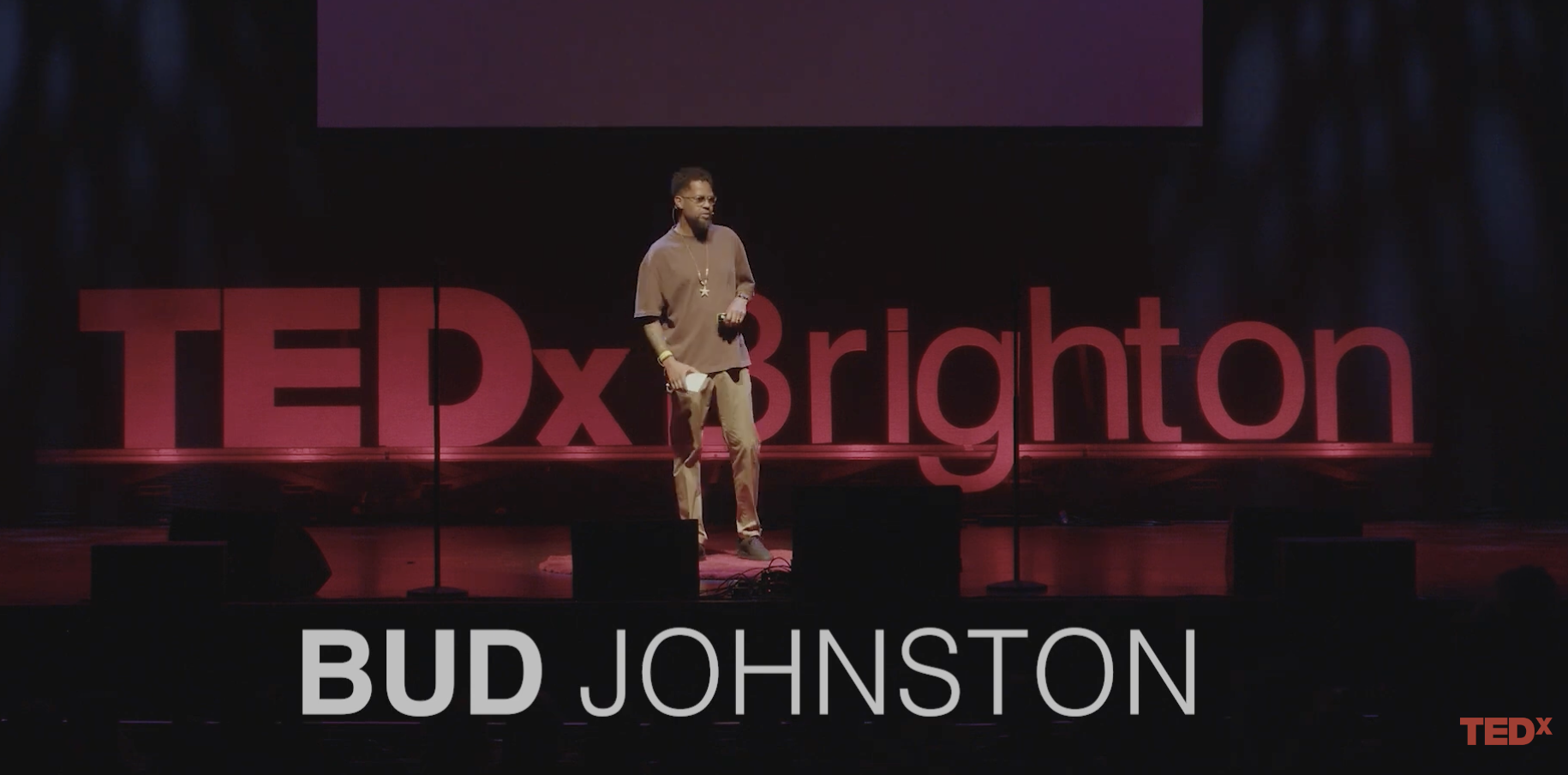
My colleague Bud Johnston (an expert on Social Justice) and I talk a great deal about how exploitation of people and exploitation of planet share the same root.
They are not separate problems. They grow from a system that has decided, on our behalf, what is worth striving for, worth counting, worth measuring. Profit. GDP. Growth. The things that don't fit that ledger, clean water, healthy soil, child-rearing, community, tending homes, rest, biodiversity, have been rendered invisible by design.
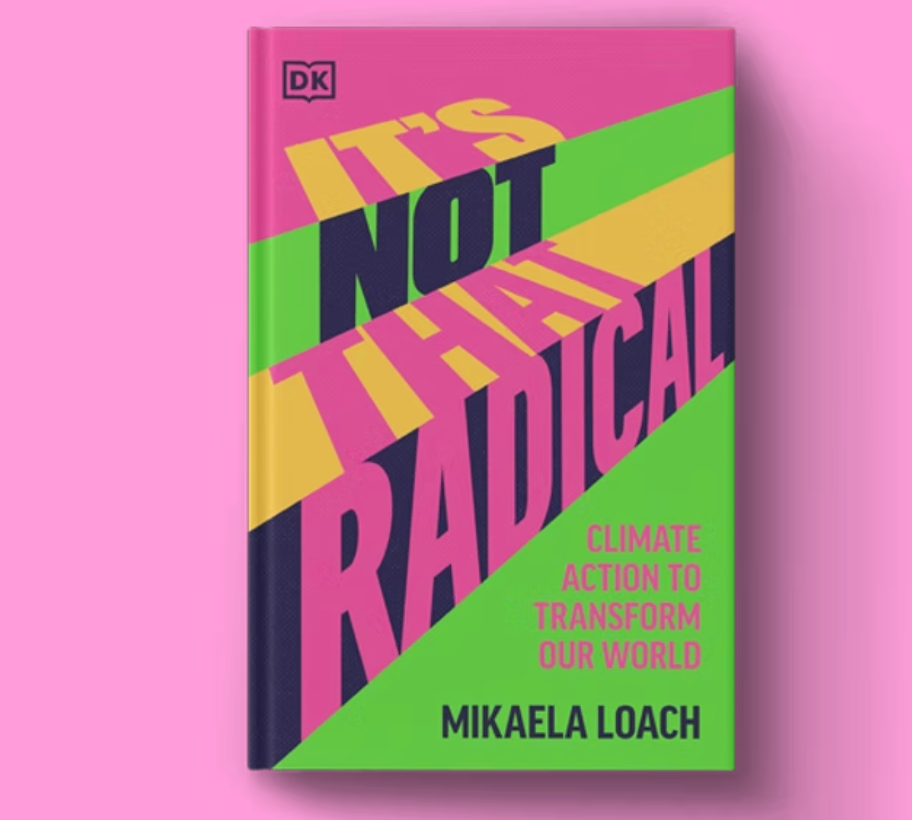
Mikaela Loach makes this case brilliantly in her bestselling It's Not That Radical: Climate Action to Transform Our World. We are living in an economic system which pursues profit above all else. Tackling the climate crisis requires us to visit the roots of poverty, capitalist exploitation and legal injustice. Climate justice, she argues, isn't a branch of environmentalism. It's the whole thing.
You cannot protect the planet without addressing the systems that are destroying it, and those same systems are destroying people.
The Indian philosopher and environmental activist Vandana Shiva has spent decades making this argument from the other direction. At the centre of her work is a critique of a form of globalisation that attempts to homogenise society as well as the environment in detrimental and neo-colonial ways, disregarding the ongoing capacities of a society and environment for life support, and treating nature as passive raw material. Her concept of the "monoculture of the mind", the idea that dominant economic knowledge systems erase local, diverse, ecological ways of knowing just as industrial farming erases biodiversity, is one of those ideas that once you've seen it, you cannot unsee.
Which brings me back to the march
The far right and the climate crisis are not unrelated phenomena. Both thrive on the logic of domination. Both are hostile to the international cooperation and shared dedication to science that climate survival requires. You cannot build a regenerative economy on a foundation of nationalism and contempt. The climate emergency is, at its core, a justice emergency. And genuine, inclusive, collaborative peace is not an idealistic add-on to climate action. It is a precondition for it.
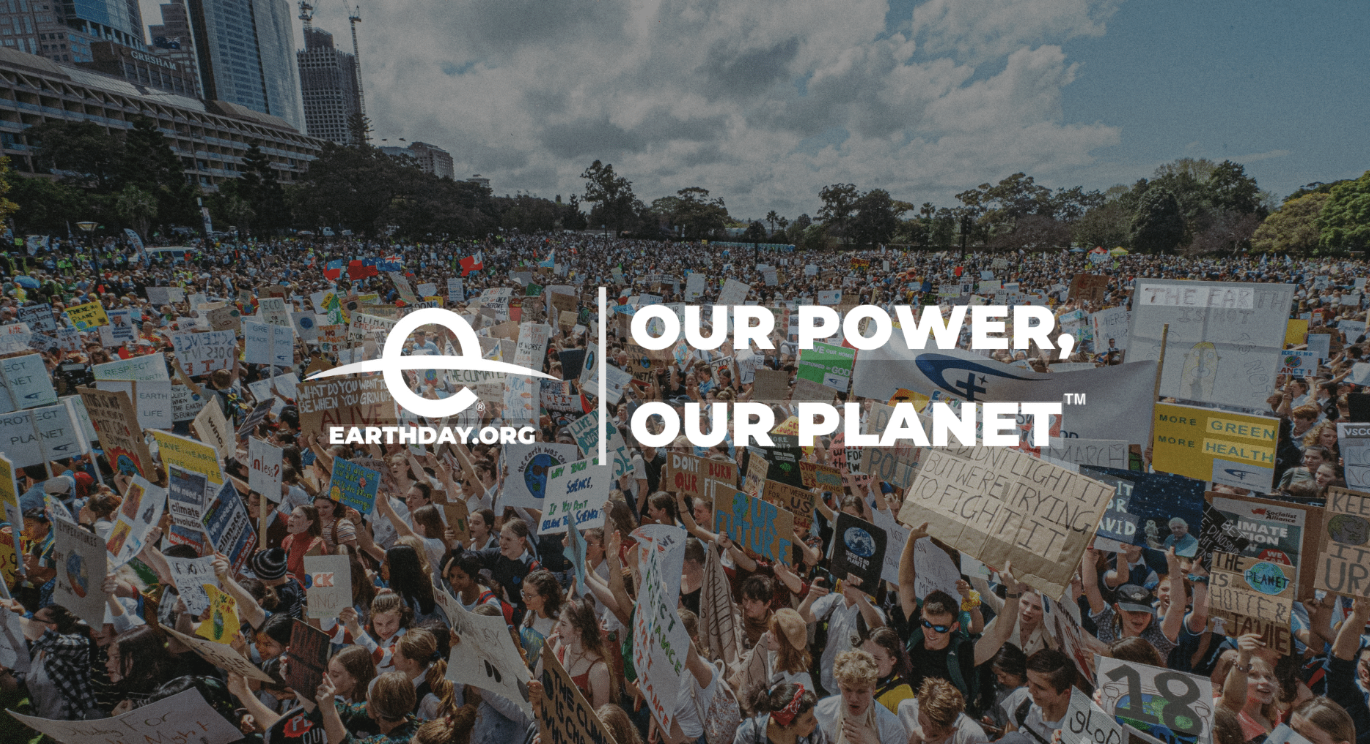
Earth Day 2026: 22 April. Find out more at earthday.org
Earth Day 2026 is about OUR POWER
This year's theme is Our Power, Our Planet. Not our government's power, not a tech billionaire's power. Ours. Collective, ordinary, distributed, persistent.
Show up. Switch off. Keep going.
Sources:
Earth Hour & WWF
Earth Hour earthhour.orgWWF Earth Hour 20th Anniversary — wwf.panda.org
Earth Day 2026: Our Power, Our Planet — earthday.org/earth-day-2026Mikaela LoachIt's Not That Radical: Climate Action to Transform Our World (DK, 2023) mikaelaloach.comMikaela Loach on Instagram @mikaelaloach
Vandana ShivaThe Guardian profile: 'Fighting giants' theguardian.comNavdanya International (Vandana Shiva's organisation) navdanyainternational.orgMonocultures of the Mind (Zed Books, 1993) available via most booksellers
Bud Johnston - Boxless.uk Together Alliance - togetheralliance.org.uk